
Manufacturing Playbook
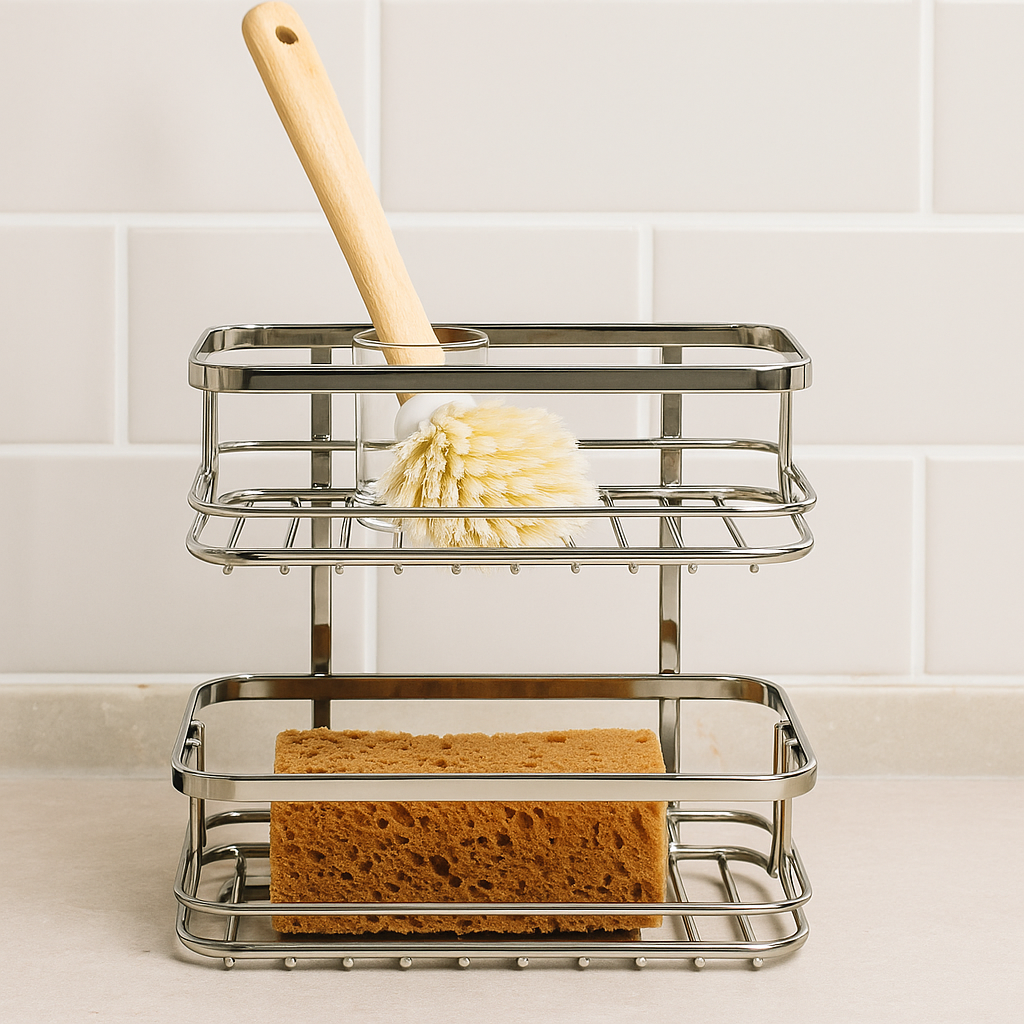
Wire baskets look simple, but stable OEM production depends on repeatable forming, controlled welding, durable finishing, and packaging that prevents scratches during export.
1. Start with measurable CTQs
For custom wire baskets, CTQs usually include outside dimensions, wire diameter, mesh spacing, weld strength, coating thickness, flatness, load capacity, visible burrs, and carton drop performance.
2. CNC bending and fixture control
CNC bending improves repeatability, but fixtures still matter. Ask the factory how frame geometry is held during bending and welding, and request first-article inspection data before mass production.
3. Spot welding checks
Common failures include weak weld contact, inconsistent weld marks, spatter, sharp edges, and heat discoloration. Use simple peel, pull, and visual criteria so factory QC and buyer QC judge the same defect the same way.
| Process | Buyer control | Evidence |
|---|---|---|
| CNC bending | Frame size and angle tolerance | First article inspection sheet |
| Spot welding | Joint strength and visible weld marks | Pull test and IPQC photos |
| Finishing | DFT and adhesion | Coating thickness map |
| Packaging | Scratch and deformation prevention | Drop test and carton spec |
4. Packaging is part of product quality
Nested wire baskets save freight cost, but metal-to-metal contact can cause scratch-to-rust problems. Use separators, anti-scratch bags, carton strength targets, and pallet rules for export shipments.
Need a custom wire basket production plan?
Send your drawing, sample photo, finish target, quantity, and destination market.
Request OEM Quote